


What to Do in Siracusa in Winter: Why Visiting in the Low Season Is a Great Idea
There’s a moment when Siracusa slows down and becomes easier to understand. Winter. If you’re looking for what to do in Siracusa in winter, you won’t find a list of “second-best” options here, but a different way of experiencing the city.
Ortigia can be explored without rushing, archaeological sites are visited without queues, and days follow a rhythm closer to that of the people who live here. If you want to stay in the heart of the historic centre, take a look at Hotel Algilà: you can get around on foot and experience the city even outside peak tourist hours. Winter is the right season for walking, visiting museums, stopping at local markets, and observing the city without filters.
In this guide you’ll find practical ideas to organise your trip and understand why visiting Siracusa out of season makes more sense than it might seem.

What to See in Siracusa in Winter: Must-See Places
Visiting Siracusa in winter allows you to focus on its most important sites without dealing with queues, compressed schedules, or fixed routes. It’s the ideal time to really see the city, following a more natural pace and choosing what to explore in depth, without the pressure of “having to see everything”.
Ortigia in Winter: Walking Between History and the Sea
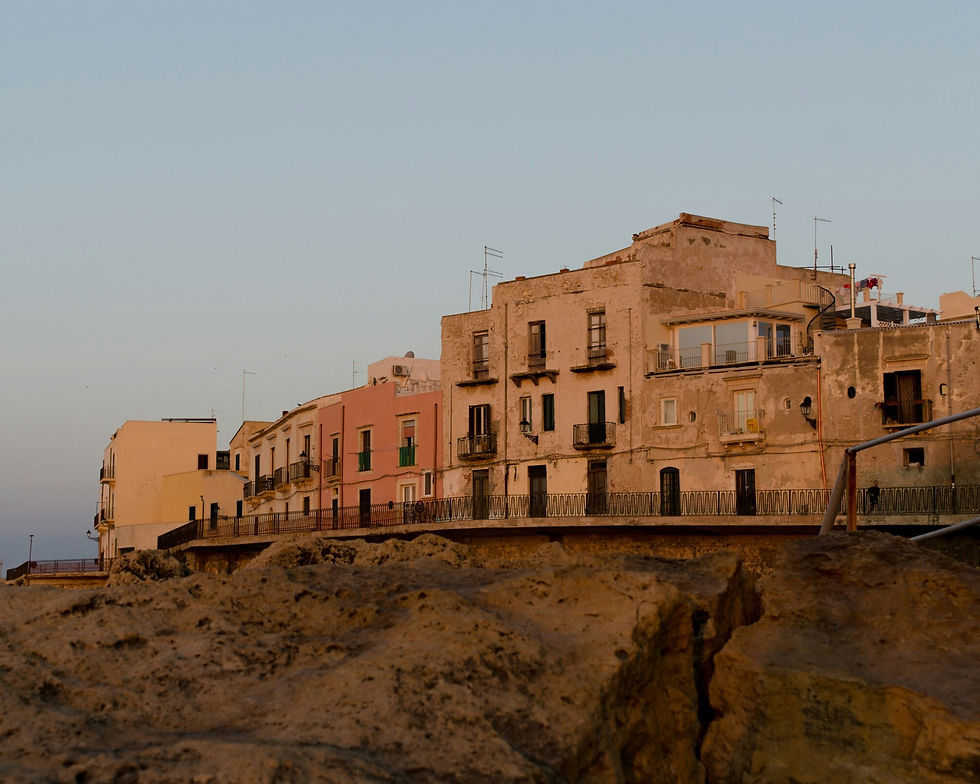
Ortigia in winter is best experienced on foot. Distances are short, the climate helps, and the streets return to being part of everyday life rather than postcard backdrops. You walk past the Cathedral, the Temple of Apollo and the Fonte Aretusa without crowds, stopping when needed, stepping into open churches, or simply following the seafront.
Morning is the best time to cross the market and observe neighbourhood life; in the afternoon, it’s worth heading towards Castello Maniace and walking back along the coast. In winter, Ortigia doesn’t ask to be “visited”, but to be crossed calmly.

Discover the Neapolis Archaeological Park Without the Crowds
The Neapolis Archaeological Park is one of the places that benefits most from the low season. In winter it can be visited without waiting, with more relaxed walking times and the chance to stop properly at key points such as the Greek Theatre, the Ear of Dionysius, and the Roman Amphitheatre.
Temperatures make the visit easier even for those not used to long walks, and the absence of crowds helps you better understand the spaces and their context. We recommend allowing at least two hours, choosing the central hours of the day for light and quiet.

Museums and Indoor Attractions Perfect When It’s Cold or Raining
When the weather changes, or when you simply want to slow down, Siracusa offers several indoor alternatives that allow you to keep exploring the city without giving up substance. In winter, museums and historic sites become a central part of the visit, not a backup plan.
Museo Archeologico Regionale Paolo Orsi
It is one of the most important archaeological museums in southern Italy and, often, one of the least crowded. In winter it can be visited calmly, following a clear route that helps explain the history of the area, from prehistory to the Greek and Roman periods. The visit takes time: it’s best to allow at least two hours. It’s also useful for putting into context what you’ll later see outdoors, from the Neapolis Park to the remains scattered around the city.
Palazzo Bellomo
Located in the heart of Ortigia, Palazzo Bellomo is easy to fit in between one walk and another. It hosts the Regional Gallery, with works that tell the artistic history of eastern Sicily.
Its compact size makes it suitable even for those who don’t enjoy very long museum visits, and in winter it’s often quiet. A good balance between cultural content and visiting time.
Catacombs of San Giovanni
The Catacombs of San Giovanni are an interesting alternative on colder or rainy days. They can only be visited with a guide, and this actually makes the experience clearer and more structured.
The underground route helps explain a lesser-known aspect of Siracusa’s history and adds a different stop compared to the more classic itineraries. We recommend checking opening times in advance, especially in the low season.

What to Do Outdoors in Siracusa in Winter
Winter in Siracusa doesn’t force you indoors. On the contrary, it’s often the season when being outside makes the most sense. Mild temperatures allow you to walk without rushing or planning forced breaks, and the city becomes a lived-in space again, not just something to look at.
Walks by the Sea and in the Historic Centre
Walking is one of the best ways to understand Siracusa in winter. Ortigia’s seafront runs continuously from the Foro Italico to Castello Maniace, with stretches where you stop simply to look at the sea. You don’t need a precise itinerary: just follow the edge of the island and slip back into the alleys when something catches your attention.
Neighbourhoods outside Ortigia, such as the Santa Lucia area, also lend themselves to longer, less touristy walks, useful for seeing a more everyday side of Siracusa.
Ortigia Market and Neighbourhood Life
The Ortigia market changes pace in winter but doesn’t lose interest. It’s less crowded, more focused on people who actually shop there, and becomes a good place to observe local life. Even without buying anything, it’s worth stopping by in the morning, listening to the vendors, understanding what’s in season and how the offer changes.
Outside the market, bars and small shops remain natural stopping points during walks. Stopping, starting again, changing direction: in winter, Siracusa is explored like this, without fixed stages.

Winter Events and Traditions in Siracusa
Winter is the time when Siracusa shows its most tradition-focused side. There are no major events designed for tourists, but deeply felt occasions that mark the city’s rhythm and help explain its character. If you’re travelling at this time, it’s worth keeping an eye on the local calendar and adapting your visit to what’s happening.
The Feast of Saint Lucy
13 December is one of the most important dates in Siracusa. The Feast of Saint Lucy is not just a folkloric event, but a moment deeply rooted in the city. The procession crosses the centre, involves residents of all ages, and completely changes the atmosphere of the streets.
Even for those not interested in the religious aspect, it’s a good opportunity to see Siracusa in a different light—more shared and less filtered. In the days before and after the feast, the city feels more alive, especially in central areas.
Christmas and the New Year: Lights, Markets and Everyday Life
During the Christmas period, Siracusa doesn’t rely on excessive displays. Lights are mostly concentrated in the historic centre, and markets appear discreetly. For this reason, the experience remains tied to the real city, to local traditions and religious life, rather than to a format that could exist anywhere.
It’s the right time to explore Siracusa’s churches during the festive season, walk in the evening, stop in bars frequented by residents, and observe how rhythms change without the pressure of high season. New Year’s Eve follows the same pattern: fewer mass events, more neighbourhood life.

Siracusa in Winter: What to Expect
Visiting Siracusa in winter makes sense when you stop treating the trip as a checklist. Days are shorter, time feels more relaxed, and this changes how you experience the city. You explore without rushing, enter places without high-season crowds, and accept the idea of following the natural rhythm of the season.
From a practical point of view, we suggest keeping planning simple:
a few well-chosen stops per day
outdoor visits during the central hours of the day
free evenings, without rigid plans
flexible schedules
Siracusa in winter doesn’t offer more, but asks for less. And that’s exactly its strength. If you’re looking for a trip that doesn’t force you to rush, but allows you to follow the city’s rhythm, this is a season worth considering.


Comments