


Museo del Mare Siracusa: inside the maritime tradition that shaped the city
Siracusa can also be read from the sea. The Museo del Mare Siracusa, also known as Sirmuma, was created to show how the city grew through shipyards, fishing and navigation. Inside its rooms there are not just tools and models, but the stories of those who worked on the port and built boats for generations.
Visiting the Museo del Mare Siracusa means understanding the link with Ortigia and how the maritime culture shaped everyday life in the city. It is a short and accessible visit, designed for those who want to go beyond the usual tourist stops and observe Siracusa from another angle.

Origins of the Maritime Museum: a story saved from oblivion
The Museo del Mare Siracusa – Sirmuma – comes from a vanished reality: the city’s shipyards. When the last one closed, the traces of the maritime world of Siracusa began to disappear. The memory of sea work, which had supported many families for decades, was fading away. The museum was created to collect what was at risk of being lost: tools, documents, models, first-hand accounts. Not as a simple display, but as a living archive of local maritime culture.
From the closure of the shipyard to the opening of the museum
In the 1980s the closing of the shipyard marked the end of a crucial chapter for Siracusa. The calafati’s tools, the boat projects and the manual knowledge passed down on the port were in danger of disappearing. The Museo del Mare Siracusa was created as a response to this loss. At first it took shape privately, then with a structured exhibition it started to gather what remained of the city’s maritime identity. The aim was not to celebrate the past, but to recover it before it was gone for good.
The role of the Aliffi family and the local community
The initial push came from the Aliffi family, who began preserving tools and memories from Siracusa’s shipyards. Over time, donations, stories and materials from those who had worked at sea or in the shipyards were added. The community actively contributed, recognising Sirmuma as a place where their own history could be found again. From a private initiative, the museum became a shared project, giving space to a part of the city’s identity that seemed destined to fall silent.
What to see at the Museo del Mare Siracusa
The visit inside the Museo del Mare Siracusa is not long, but it is dense. Each room tells a different part of the relationship between the city and the sea. The objects are not displayed just to be looked at: they reveal how boats were built in Siracusa, how fishing was done and what working on the port really meant. No technical knowledge is needed to follow the exhibition, because many of the tools speak for themselves: they carry the marks of work, time and hands that used them.
The Calafatari collection
One of the main sections of the museum is dedicated to the tools of the calafatari, the master shipwrights who built and repaired wooden boats. There are around two hundred original tools: hammers, chisels, planes, measuring templates and ropes. Together, they form an atlas of this craft.
This section often surprises visitors, because it shows the manual side of the sea — made of work and planning, not only navigation. Some of the tools are no longer in use today, but they explain how boats were built before modern materials arrived.
Naval models, fishing and maritime traditions
Part of the museum is dedicated to models of typical local boats. They were built by local craftsmen and represent the most common vessels seen in the ports of Siracusa.
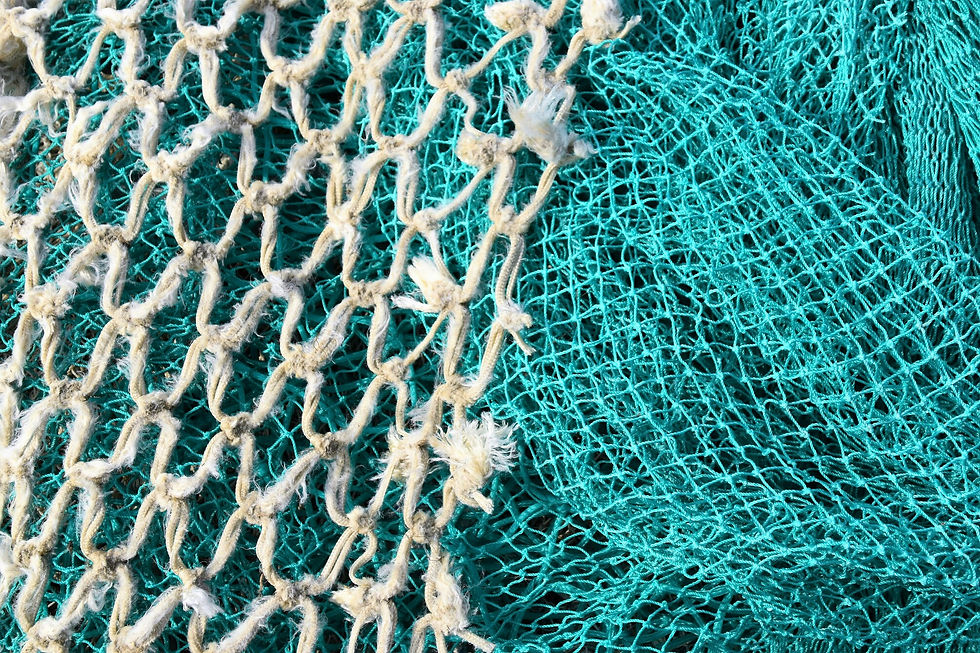
Near the models there are documents and tools related to fishing: nets, hooks and equipment used in open sea and during seasonal fishing periods. This section shows the social dimension of maritime life, because it explains how the sea shaped everyday routines well beyond the shipyards.
Reconstruction of the naval carpentry process
The Museo del Mare Siracusa is one of the few museums in the southern Mediterranean to reconstruct the entire process of naval carpentry. From the design of a boat to its construction, the exhibition follows the work of the master shipwrights step by step. This is rare in maritime museums, because it does not just show the final result — it reveals the process. It helps visitors understand that building a boat means combining technique, experience and shared memory. The boat becomes the outcome, not the beginning of the story.

Practical information for your visit
The Museo del Mare Siracusa works well as a short but meaningful visit. It suits anyone interested in the city’s maritime history, and also those staying in Ortigia who want a cultural stop without travelling far.
Where it is
The museum is located in Via Zummo 7, in the historic centre of Ortigia.
Guests staying at Hotel Algilà (check our offers) can reach it on foot in just a few minutes: walk along the seafront, pass Porta Marina and head into the inner alleys. No car or public transport is needed. The museum is well signposted and close to other landmarks such as the Aretusa Fountain and the Ortigia market. The area is pedestrian-friendly, so walking is the best option.
Opening hours, admission and guided tours
Opening hours may change depending on the season or events. It is best to check the museum’s website or contact the staff before visiting. Guided tours are sometimes available for groups or schools. They are not mandatory, but they make the carpentry section easier to understand.
The Museo del Mare Siracusa is open on Mondays and Fridays from 17:30 to 19:30. On Tuesdays and Thursdays, visits are available only by phone reservation, from 9:30 to 12:30.
The museum also offers guided tours, educational activities and cultural events upon request and reservation.
Before visiting, it is recommended to check for any schedule updates — the official references are the Comune di Siracusa page dedicated to the Museo del Mare and the official Sirmuma website.

Comments